A Journey Across the Steppe: Discovering Mongolia Through Language and Land

For ANU School of Culture, History & Language student Kate Thomson, a serendipitous glance at a noticeboard changed everything.
“I was actually waiting for an Indonesian language class in my first year when I saw the Mongolian Studies program on a notice board,” she recalls. “From that moment, I knew I wanted to go.”
That spark of curiosity led to the Mongolia Field School, where Kate and fellow students swapped lecture halls for sweeping grasslands, discovering a culture defined by resilience, hospitality, and its deep connection to nature.
Learning Beyond the Classroom
“Mongolia has always fascinated me — from the vast expanse of the Mongol Empire during Chinggis Khan’s reign to today’s strong culture of horsemanship,” Kate says.
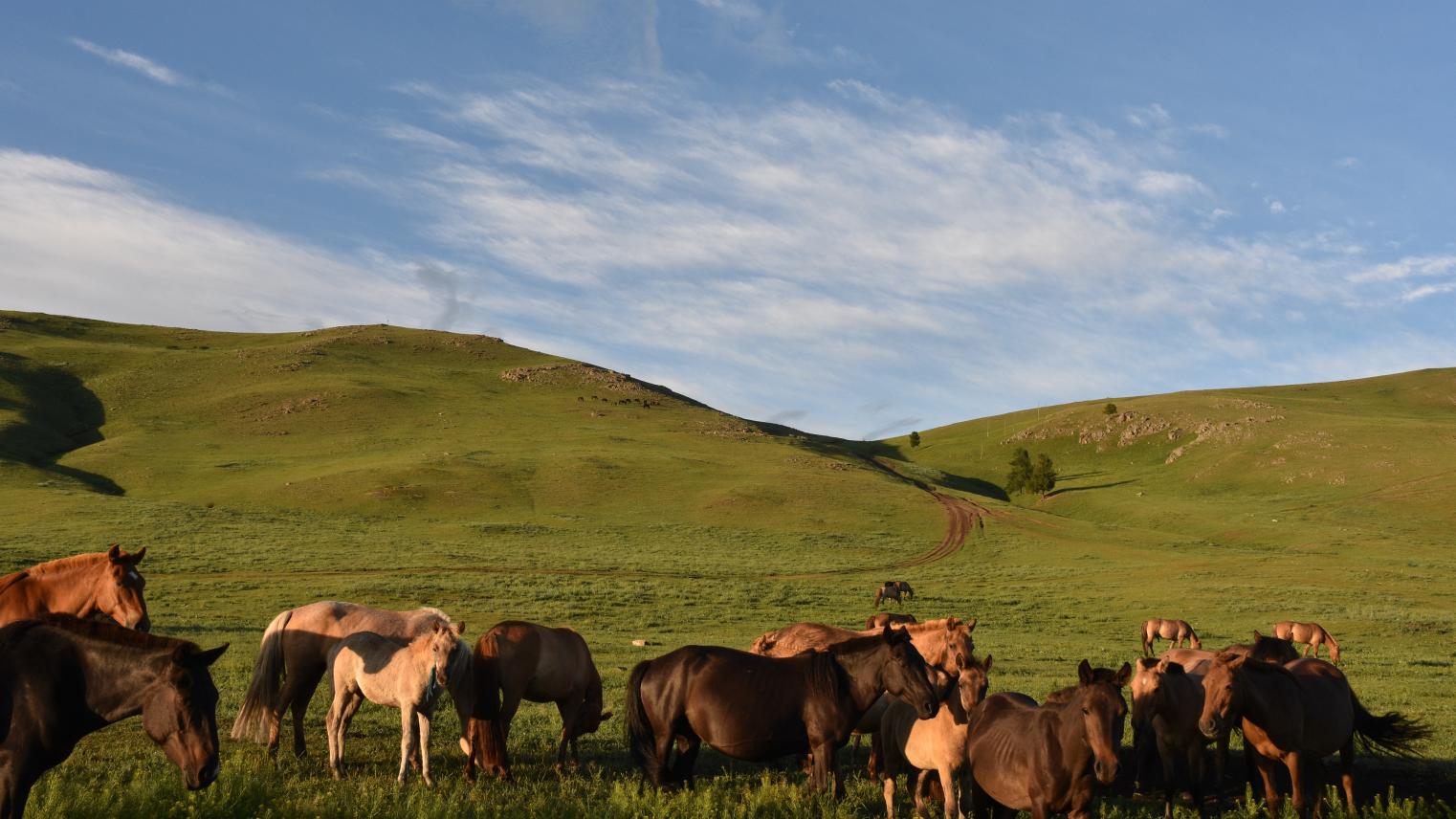
Outside Ulaanbaatar, that fascination only deepened. “Everywhere you looked in rural areas, gers dotted the horizon surrounded by livestock. There was something mesmerising about looking at a completely unfenced landscape.”
Even learning the language became part of the adventure. “It was definitely challenging — the intonation and Cyrillic were the hardest! But being able to sound out the signage, even when I didn’t understand it, was super rewarding. The teachers were amazing.”
Lessons from the Land
What struck Kate most wasn’t just the beauty of the steppe, but the philosophy that underpins Mongolian life.
“They believe that anchoring a ger into the ground wounds the Earth. It’s such a beautiful idea — a reminder of how herders treat the land as sacred because their lives depend on it.”
This respect for nature reshaped how she sees the world. “Every landscape felt surreal. Since coming back to Australia, I’ve found myself spending more time outdoors, appreciating small moments — the way light hits the trees, the sound of wind.”
Hospitality Without Borders
If there’s one myth Kate would like to dispel, it’s that Mongolia is a difficult or unsafe destination.
“It was the first time I’d travelled in a foreign country where I felt completely safe,” she says. “Every ger we visited was overwhelmingly hospitable. I couldn’t believe the kindness. Locals went out of their way to help — it’s like nowhere else I’ve been.”
One of the most memorable experiences came while sharing airag — Mongolia’s traditional fermented mare’s milk — with a herding family in the Orkhon Valley. “It felt entirely surreal. That moment of connection will stay with me forever.”
A Road Less Travelled (Literally)
Not every part of the trip went to plan — and that was part of the magic.
“The funniest part was breaking down in the middle of the Orkhon Valley. We missed the Naadam festival, which was sad at first, but the afternoon turned out amazing. We explored ancient Turkic burial mounds and shared food and stories with local families. It’s something I’ll never forget.”
Advice for Future Travellers
Her message for future students is simple: “100% take it.”
“Mongolian Studies opens your eyes to a narrative that’s been underrepresented in history. It’s an enriching experience that blends culture, language, and adventure. I’ve seriously considered signing up for Mongolian language courses after this trip.”
For Kate, Mongolia wasn’t just a destination — it was a turning point. “It showed me that there are so many more opportunities to engage with local culture if you allow yourself to become immersed and try new things.”
Experience what Kate and so many other students have through our field school experiences. Explore here.