Primary Landing Page

One of the great challenges facing academia in Australia, especially in the sciences, is the capacity to include, and be inclusive of, Indigenous knowledge systems. There has long been an opportunity for researchers to be more inclusive of traditional knowledge systems. Yet, part of the problem has been that researchers have traditionally often viewed engagement with Indigenous communities as merely an exercise in extracting knowledge, rather than a collaborative learning opportunity. Traditional knowledge intersects with both the HASS and STEM disciplines, necessitating greater interdisciplinary collaboration and drawing on expertise beyond the scope of individual researchers or disciplines. As such, bringing together Indigenous communities and university academics is the pressing need to foster an ideal environment for scoping out better ways of integrating Indigenous knowledge and learning into education, research and training approaches.CHL has consistently made this a focus area.

Murrindjarr-yaba

Murrindyarr-yaba

The Murrindyarr-yaba CHL Early Career Researchers’ (ECR) Collective was established in 2021 as a culturally safe space for members to come together and interact.

Murrindyarr-yaba is a phrase used by the Traditional Custodians of the Ngunnawal Walgalu-Ngambri Country (Canberra and surrounds). Gifted to the Collective by Senior Elder Aunty Matilda House, ‘Murrindyarr’ translates to “people of present times” and ‘yaba’ means “talk”. While embodying the function and spirit of our Collective, the name acknowledges the Traditional Owners where we live and work.

CTDQ logo

Change the Date?

When questions of history, identity and belonging become divisive, conversation matters: a four-year Australian Research Council (ARC) Discovery Indigenous project led by Dr Jen Mason. It is a multi-institutional research collaboration between ANU, Swinburne University of Technology and Charles Sturt University, funded by the Australian Research Council

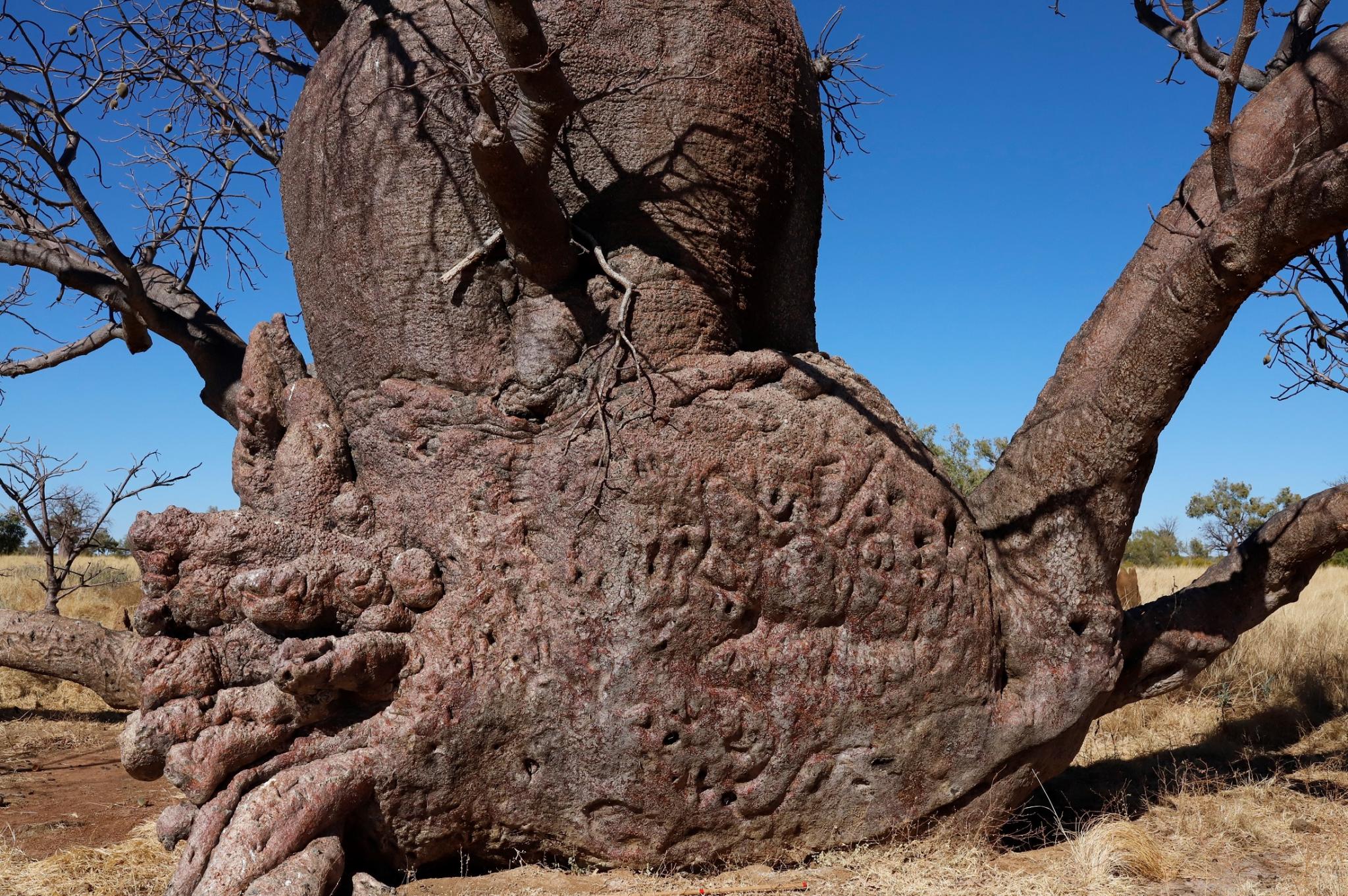
Partially collapsed boab, with elaborate snake carvings on the trunk and low branches; Credit: Distinguished Professor Susan O'Connor

Archives in Bark

Funded by an Australian Research Council Special Research Initiative grant, the project ARCHIVES IN BARK seeks to record and contextualise Indigenous and non-Indigenous carvings and inscriptions on ancient Australian boab trees (Adansonia gregorii) growing across the Kimberley.

Decolonial Possibilities

“Decolonising the Academy: Trans-Indigenous Possibilities” is a Flagship project of the School of Culture, History and Language at the ANU, that brings together Indigenous scholars from across Australia, the Pacific and Asia, in an ongoing dialogue about what it means to practice decolonial academic work. 

DP
From the Change the Date Launch at 2026 Immersia (Photo: Peter Hislop for CHL Immersia)

Launching 'Change the Date?' A conversation on Australia Day, reconciliation and the politics of division

KATERINA

Navigating the Pacific Studies Canoe

Pounamu

International Day of the World’s Indigenous Peoples 2022: Meet Pounamu Jade Aikman

Taungurang Tales

Taungurung Tales

Murrindjarr-yaba

CHL welcomes, Murrindyarr-yaba, an ECR Collective